
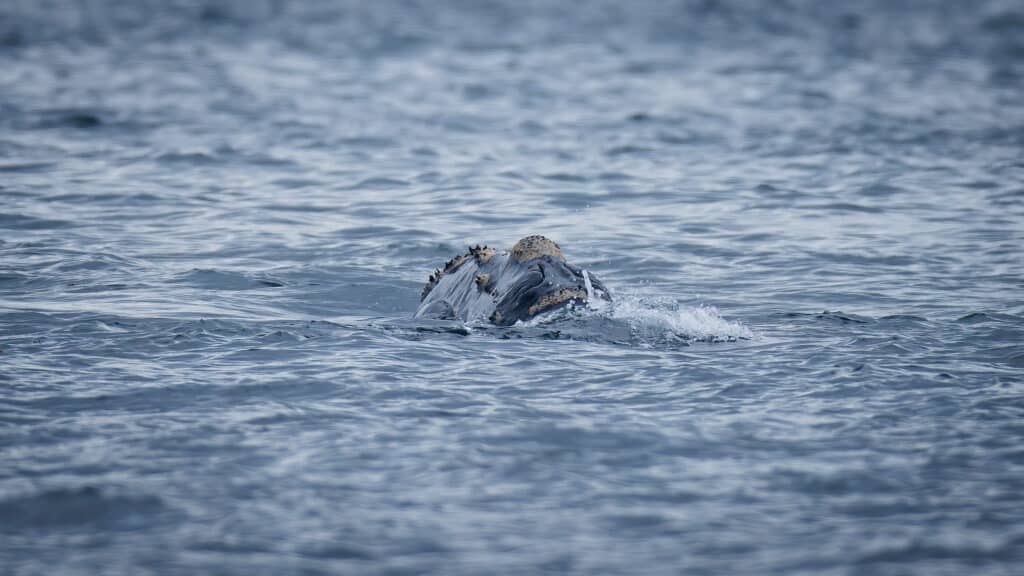
Some days on the water stay with you forever.
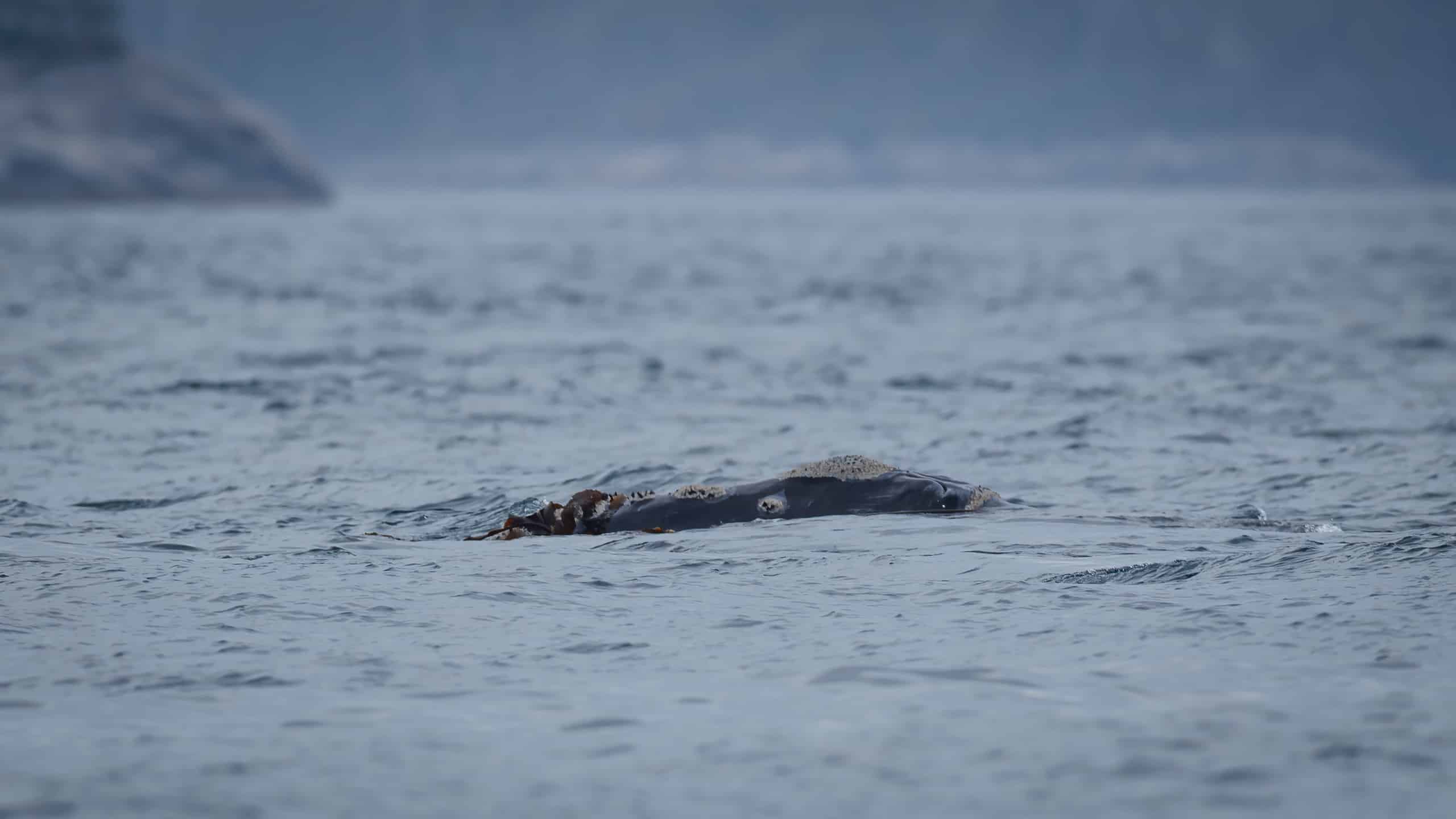
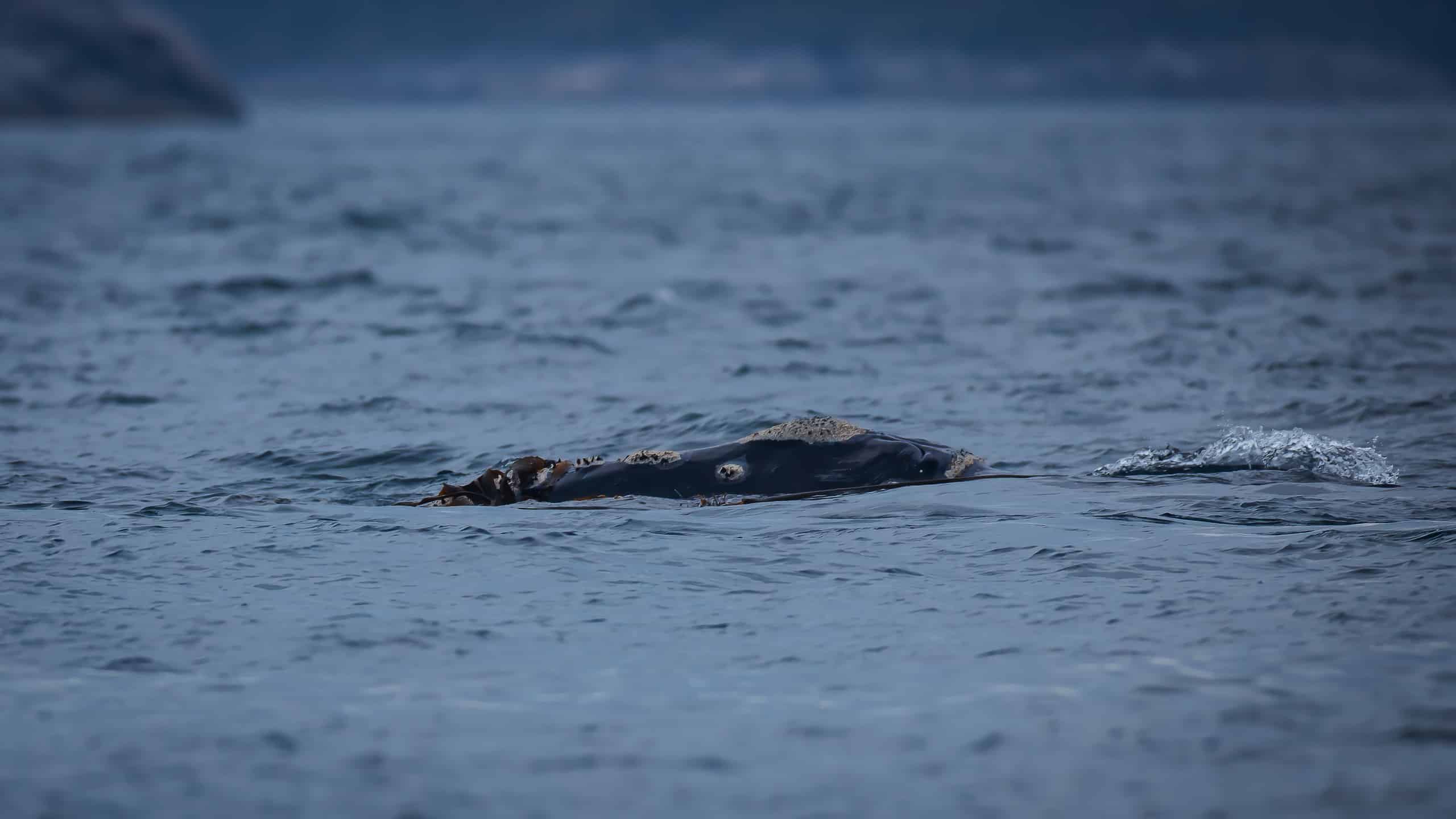
On June 15, 2026, while guiding a wildlife tour off northern Vancouver Island in the territory of the ’Nakwaxda’xw First Nation, our guests and crew encountered a North Pacific right whale — one of the rarest whales on the planet and the most critically endangered whale species in Canada.
For everyone on board, it was a moment none of us will ever forget.
The encounter occurred near the end of our scheduled tour. Once the whale was spotted, every guest was eager to remain on the water and continue observing from a respectful distance, so we extended the trip to make the most of this extraordinary opportunity.
As soon as we realized we were viewing an extremely rare North Pacific right whale, we contacted the researchers at Bay Cetology so the sighting could be properly documented.
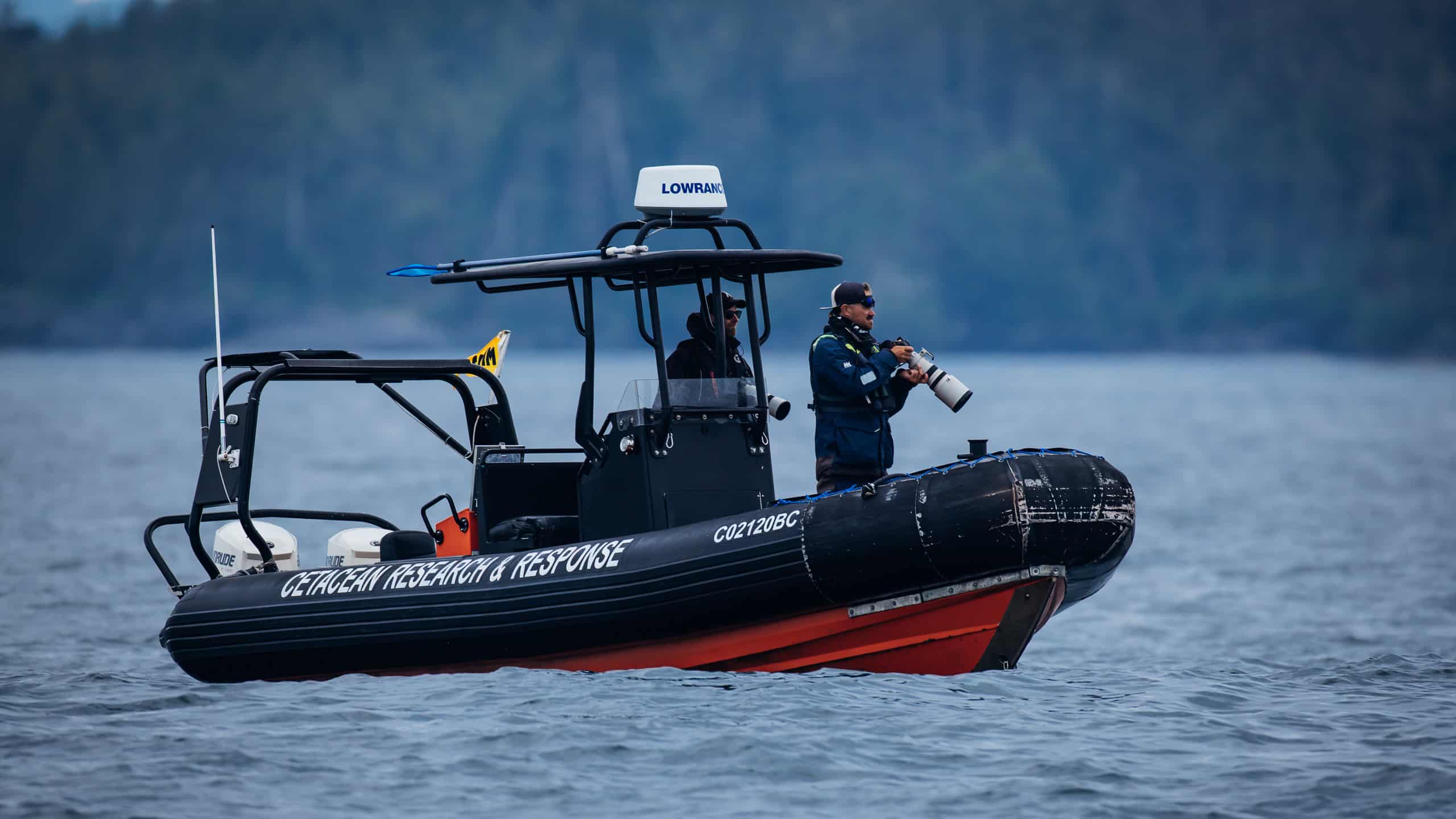
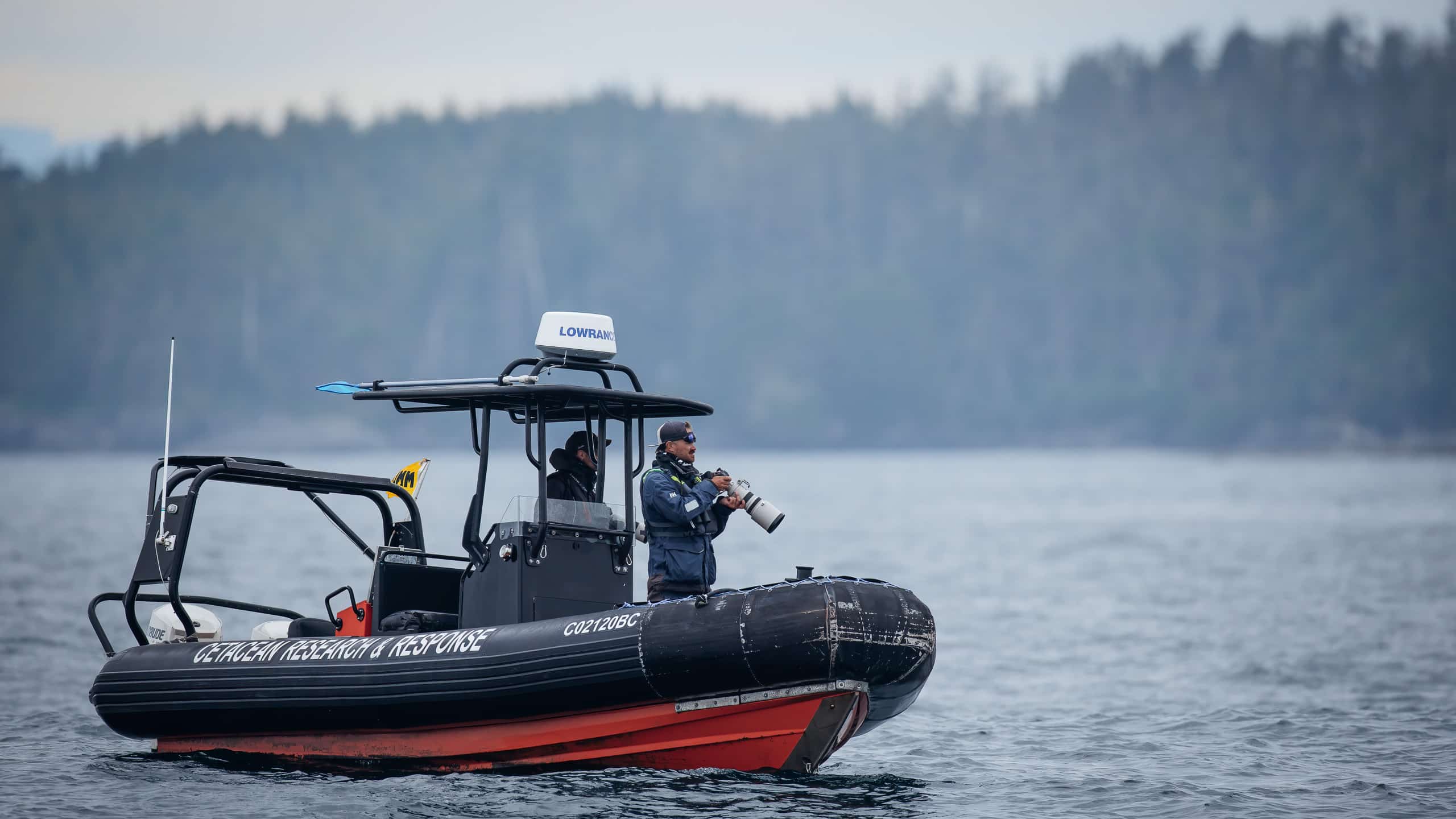
Bay Cetology researchers were able to get on scene, verify the identification, and begin documenting the whale. Data was collected by Scott Turton on behalf of Bay Cetology and by Jared Towers on behalf of Fisheries and Oceans Canada (DFO) under research licence #01.
A Whale Few People Ever See
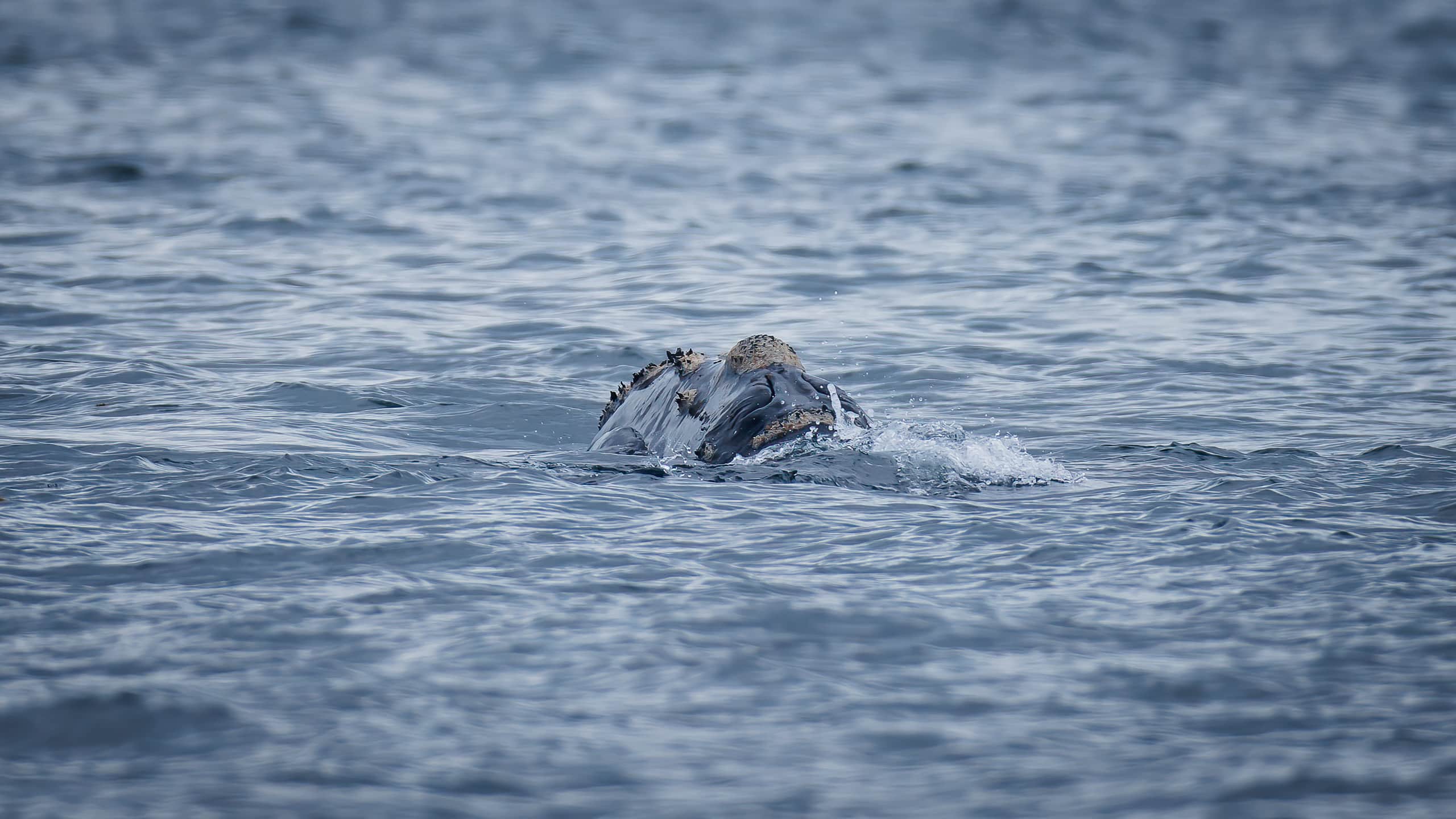
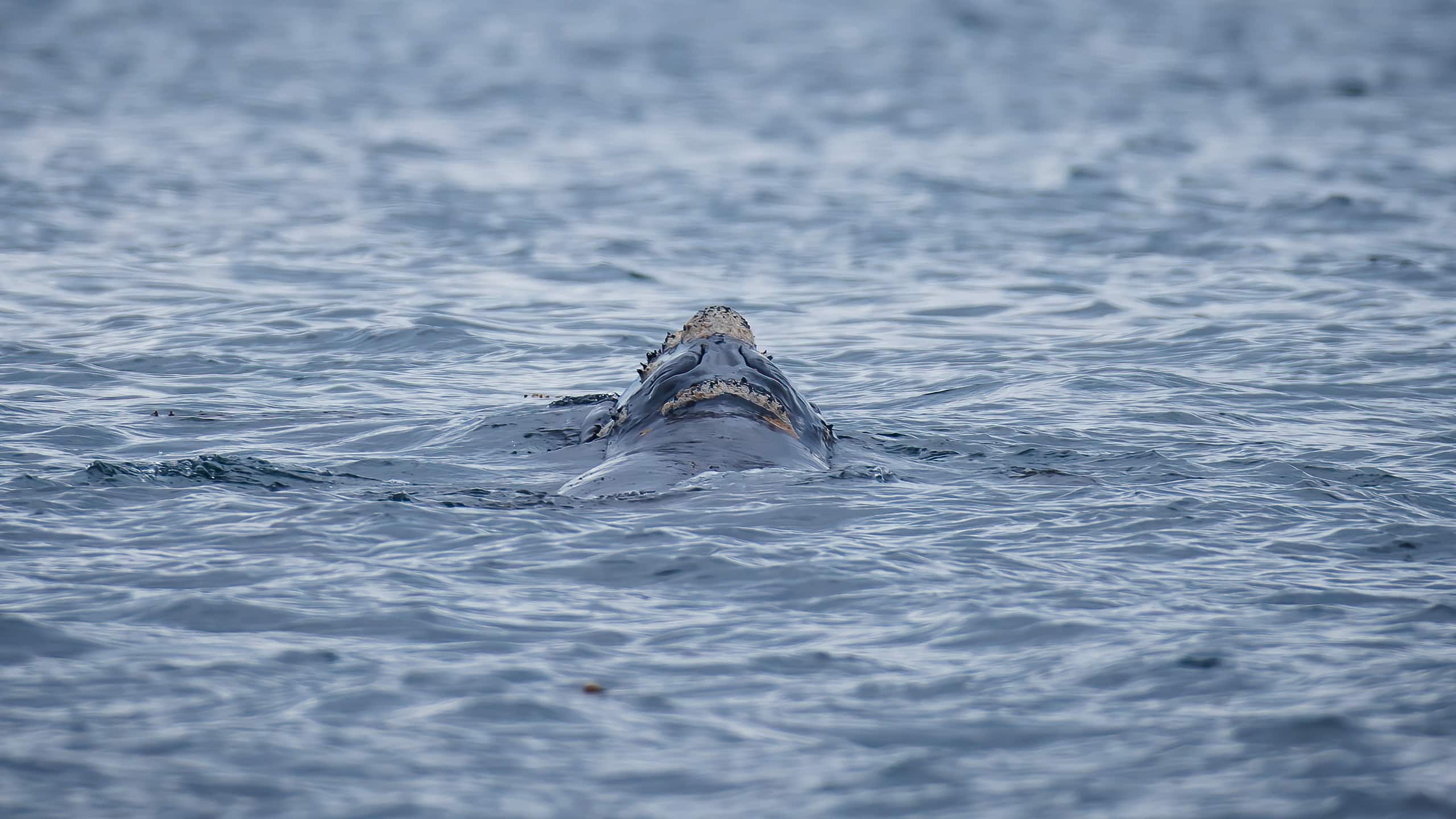
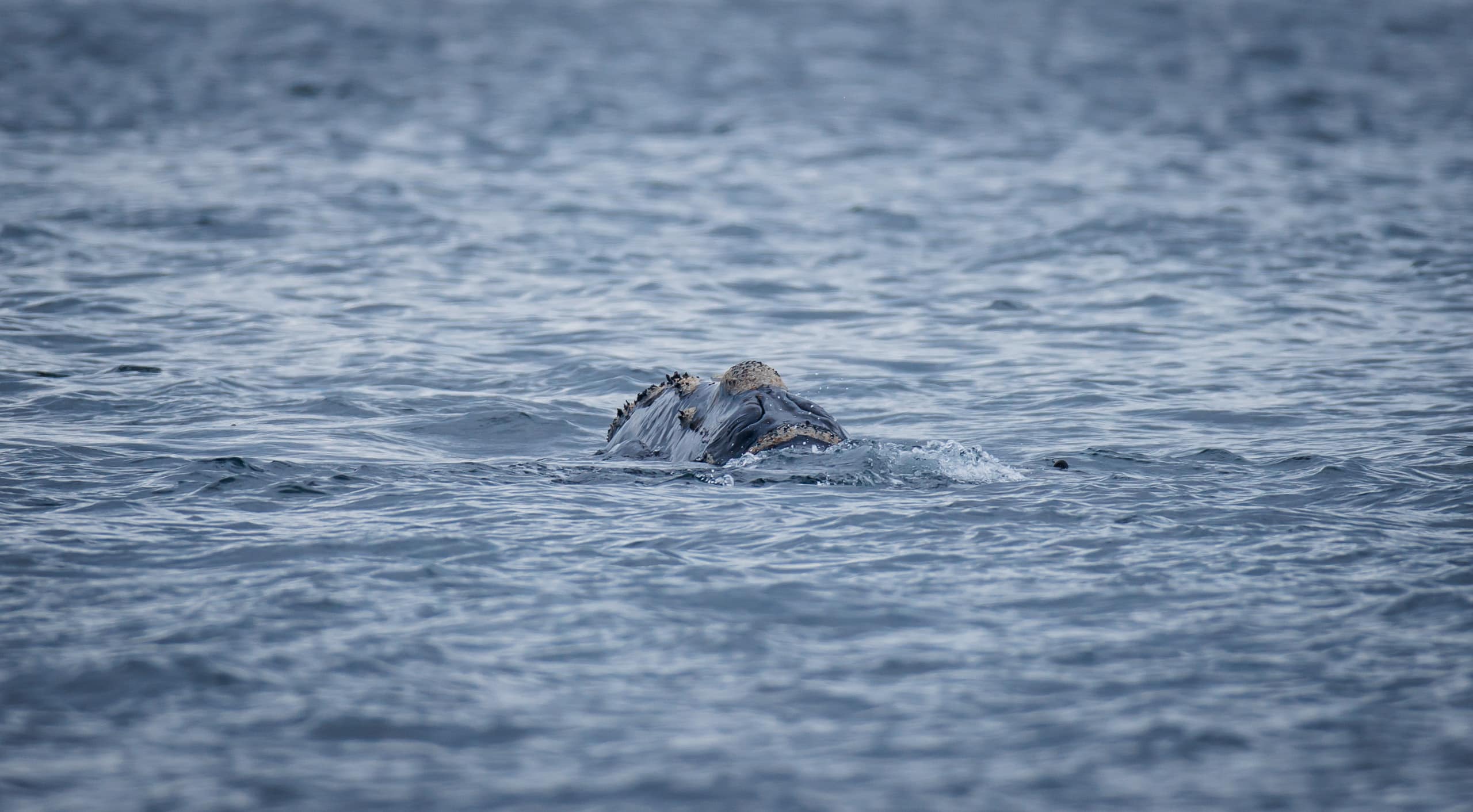
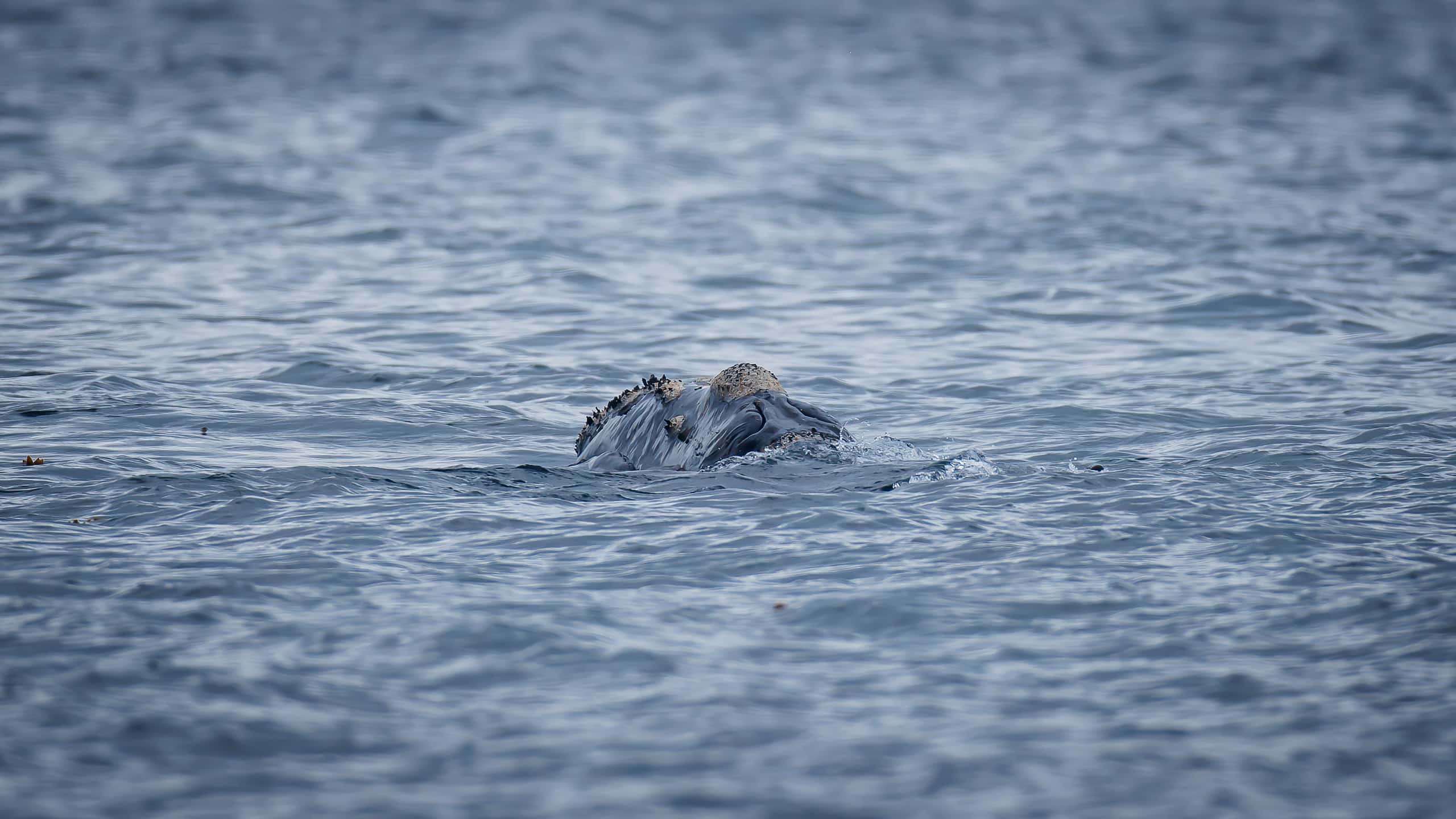
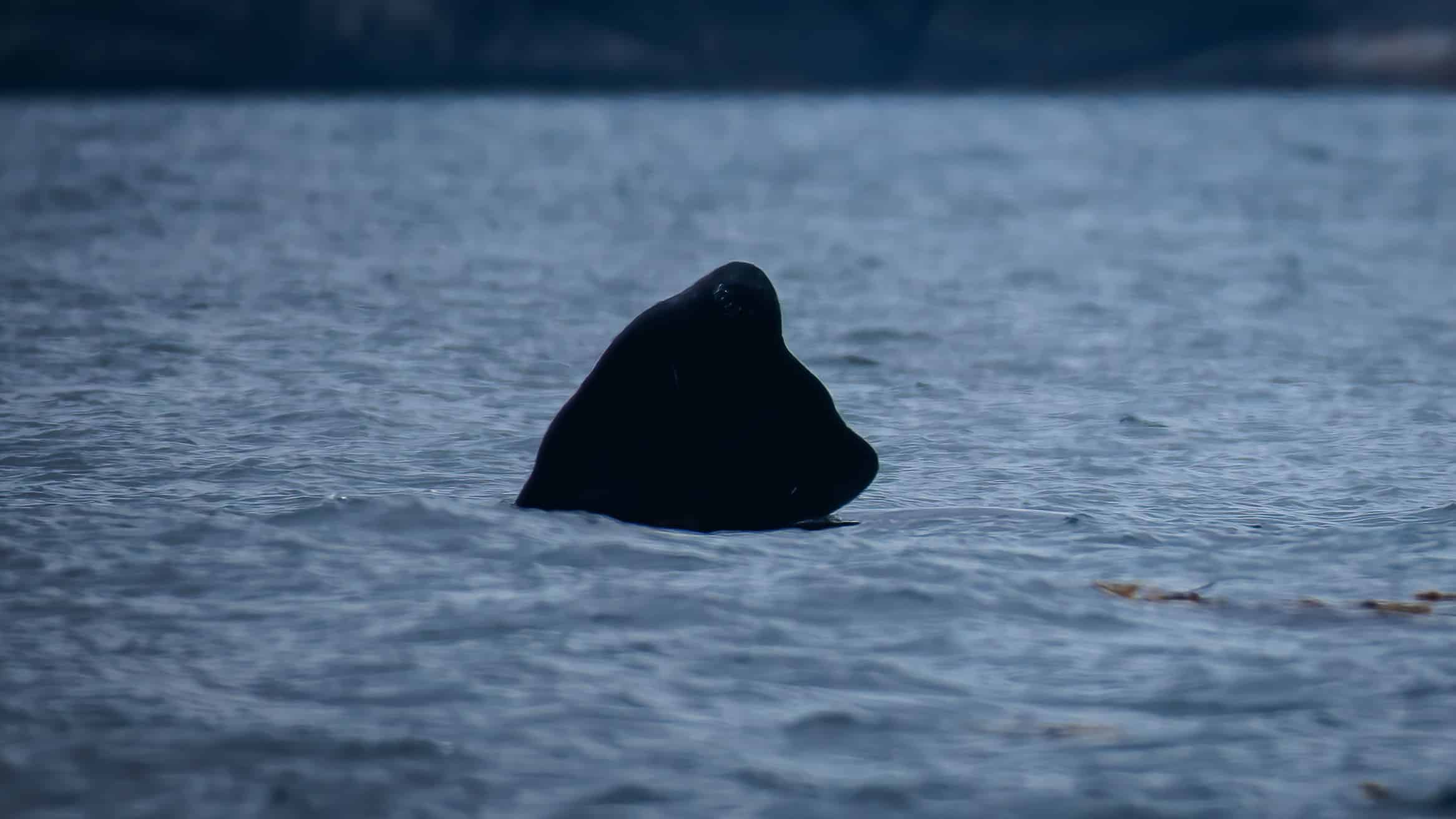
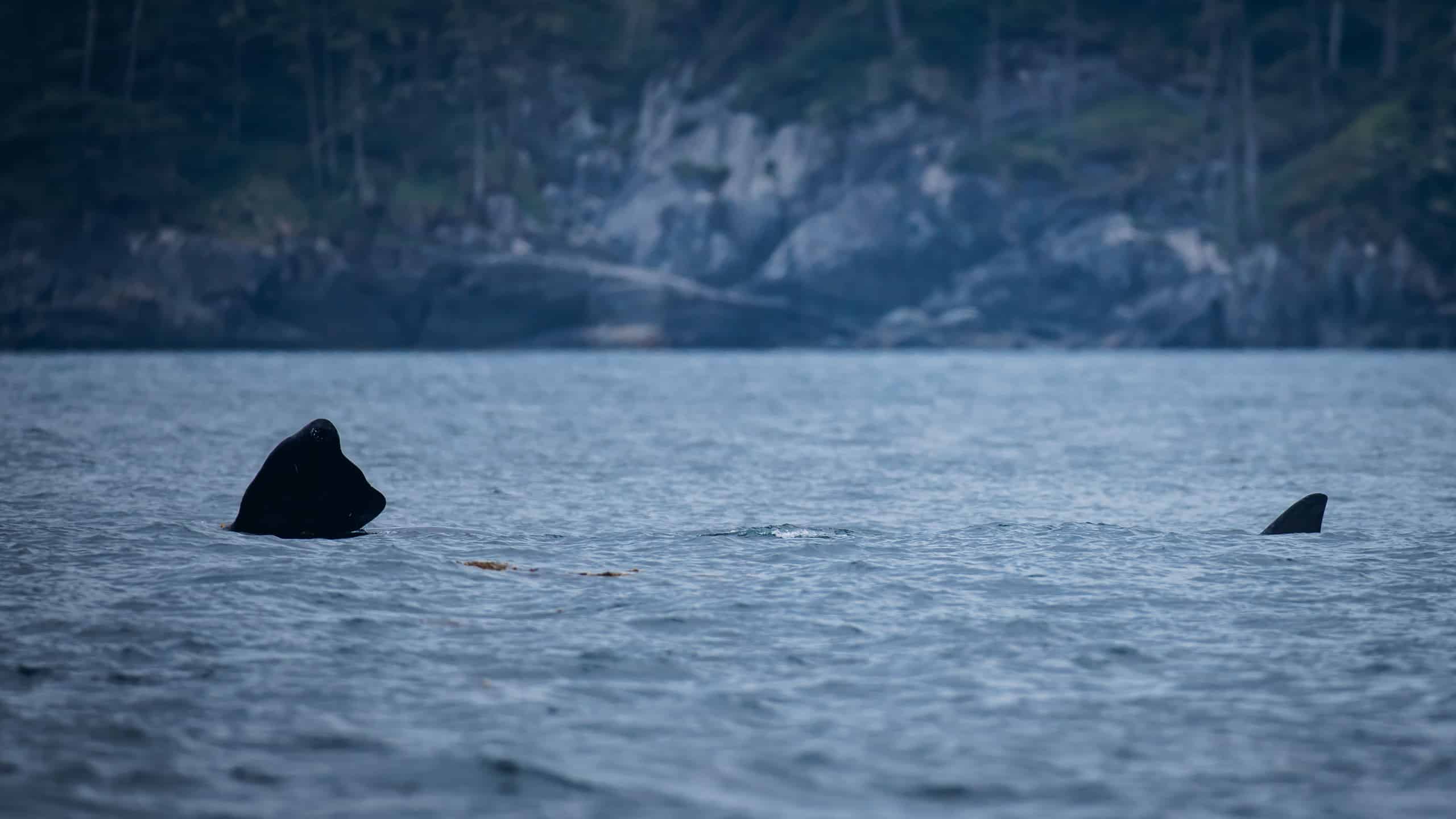
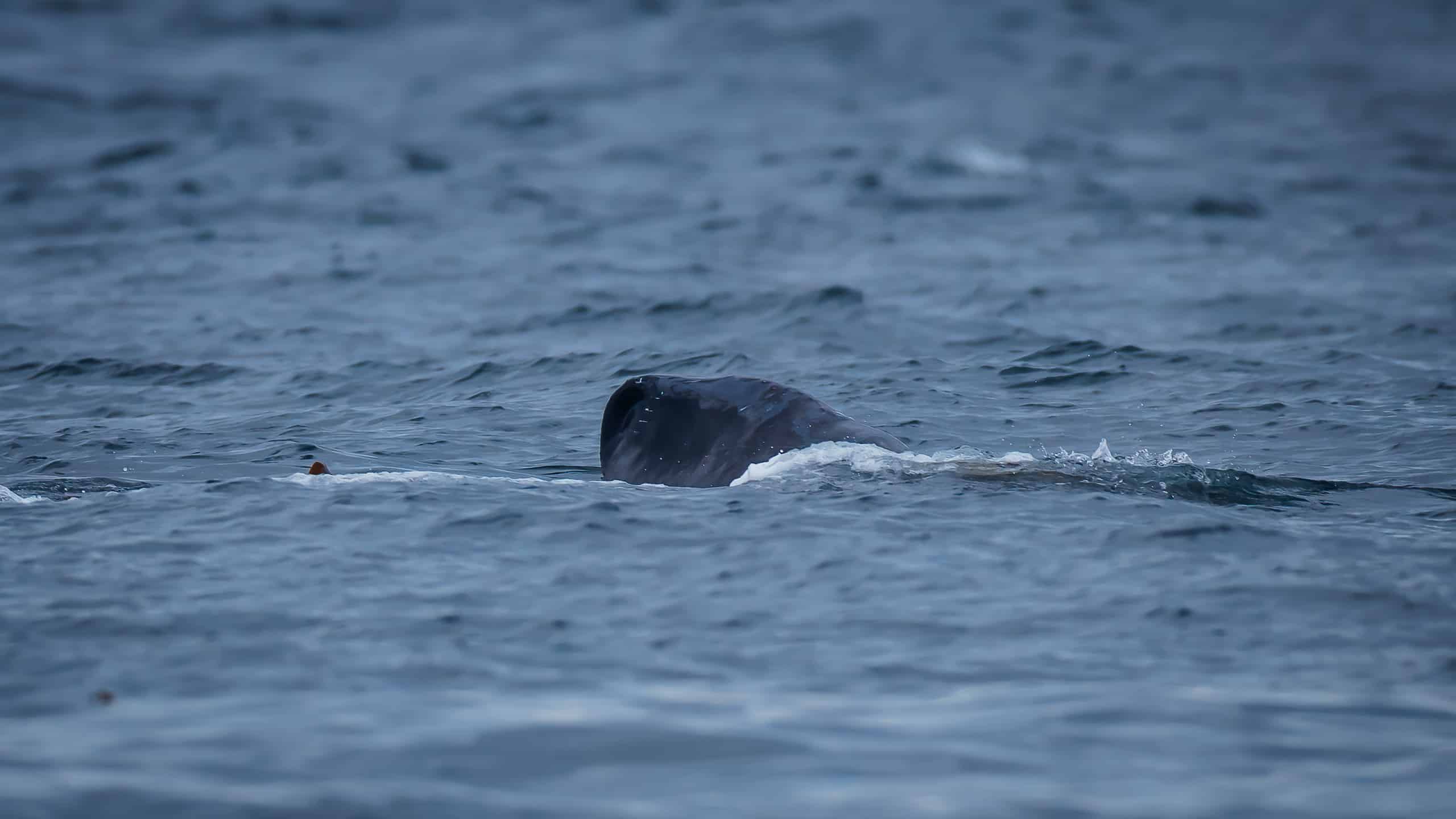
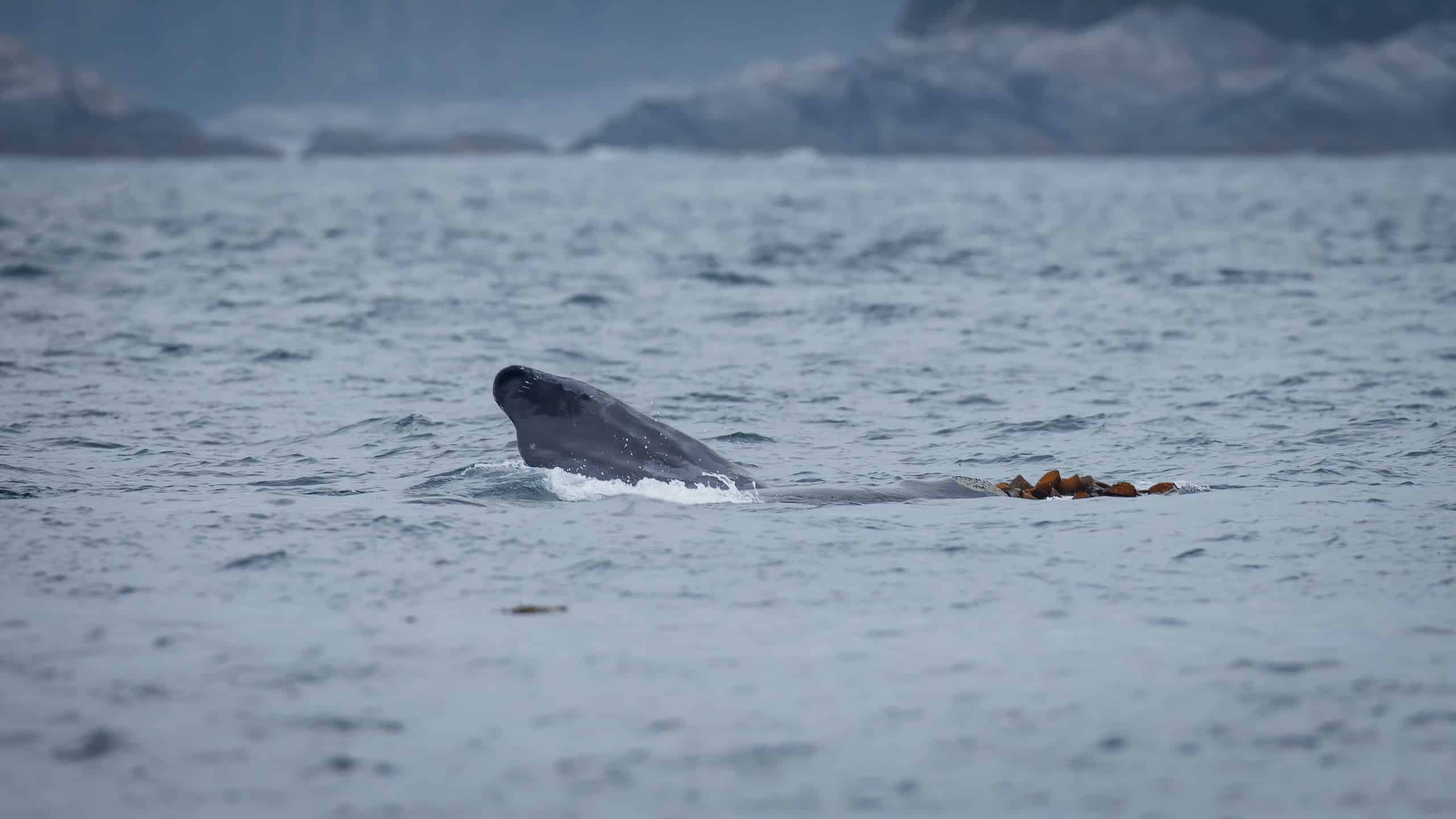
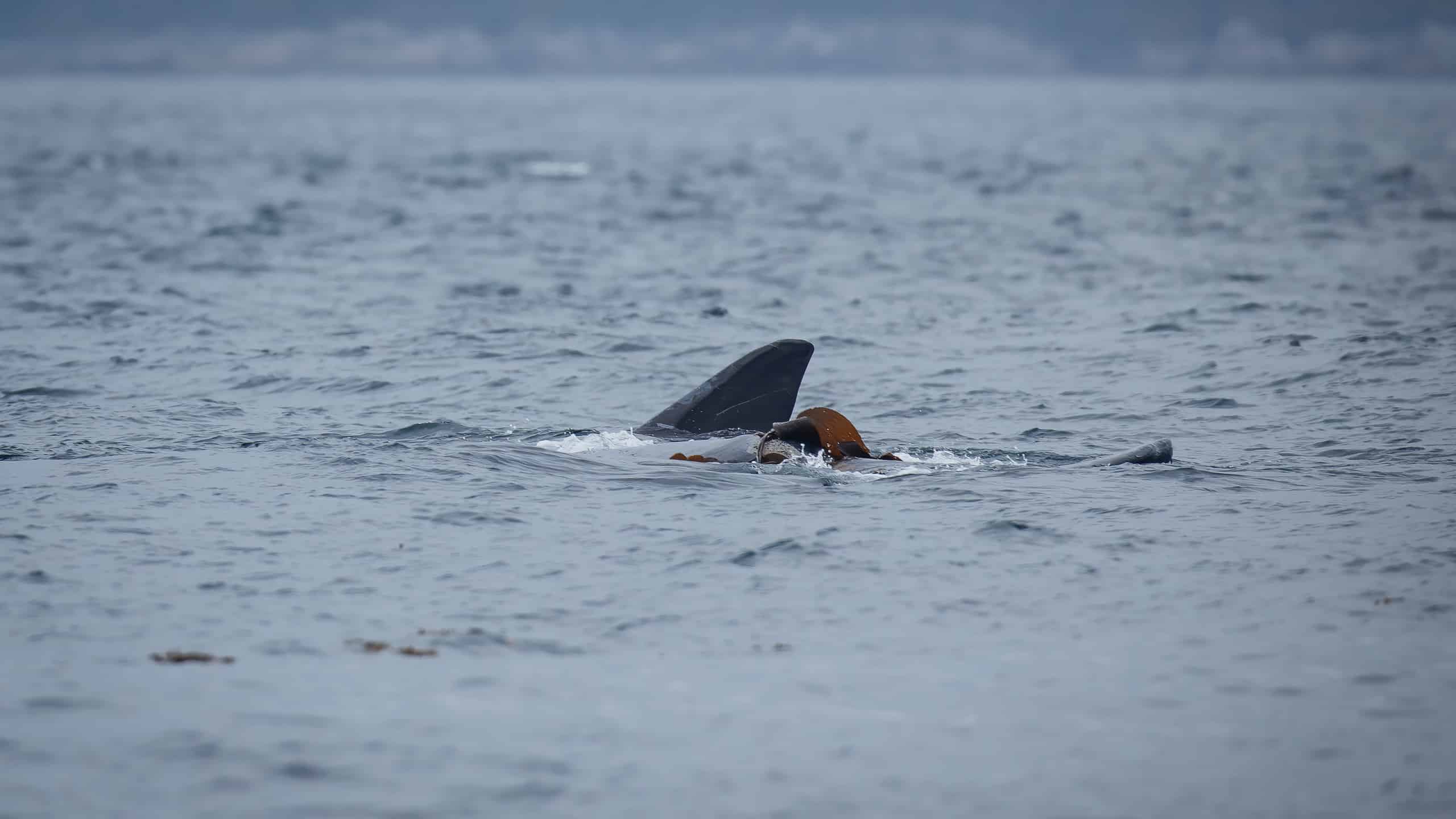
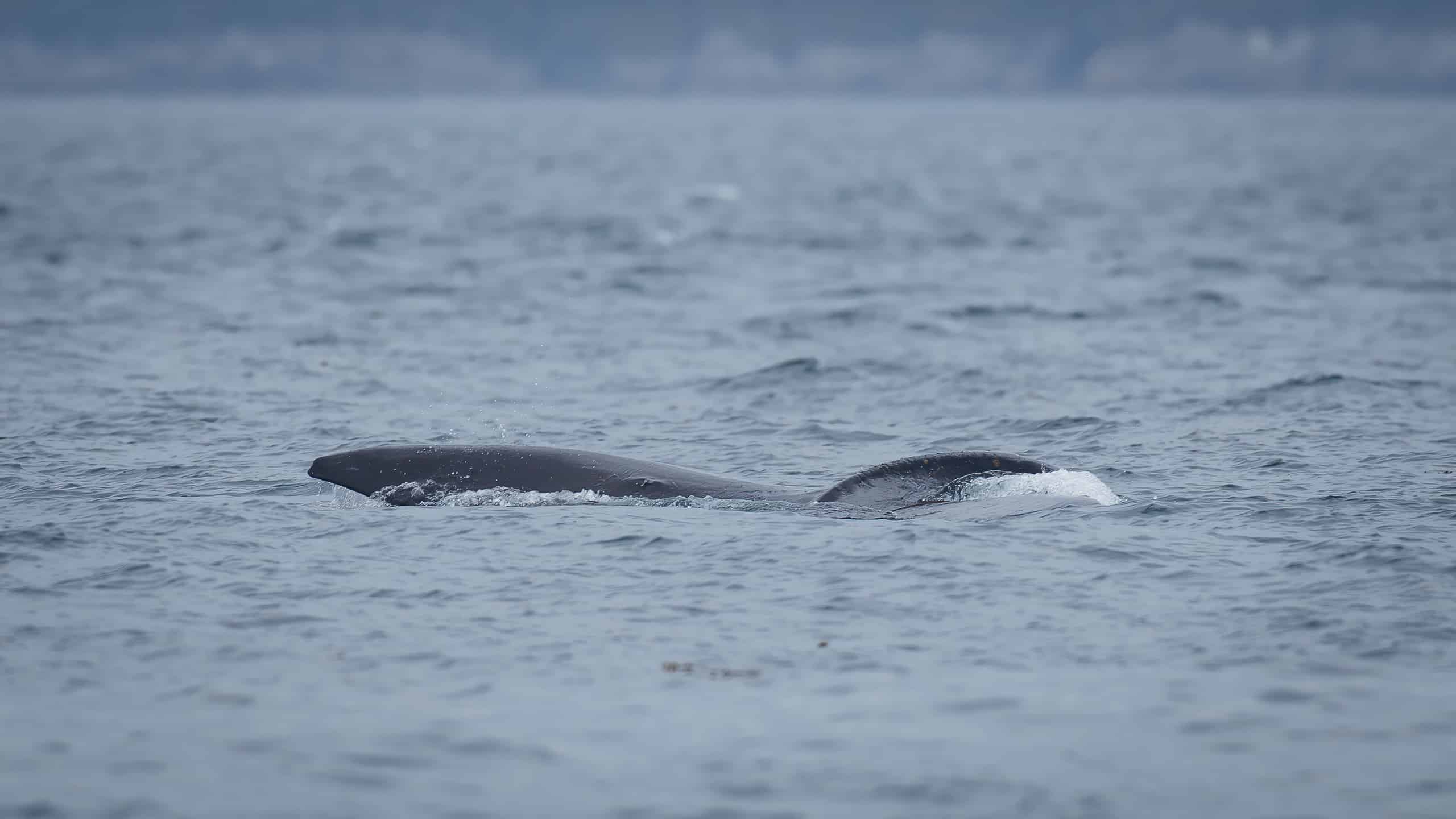
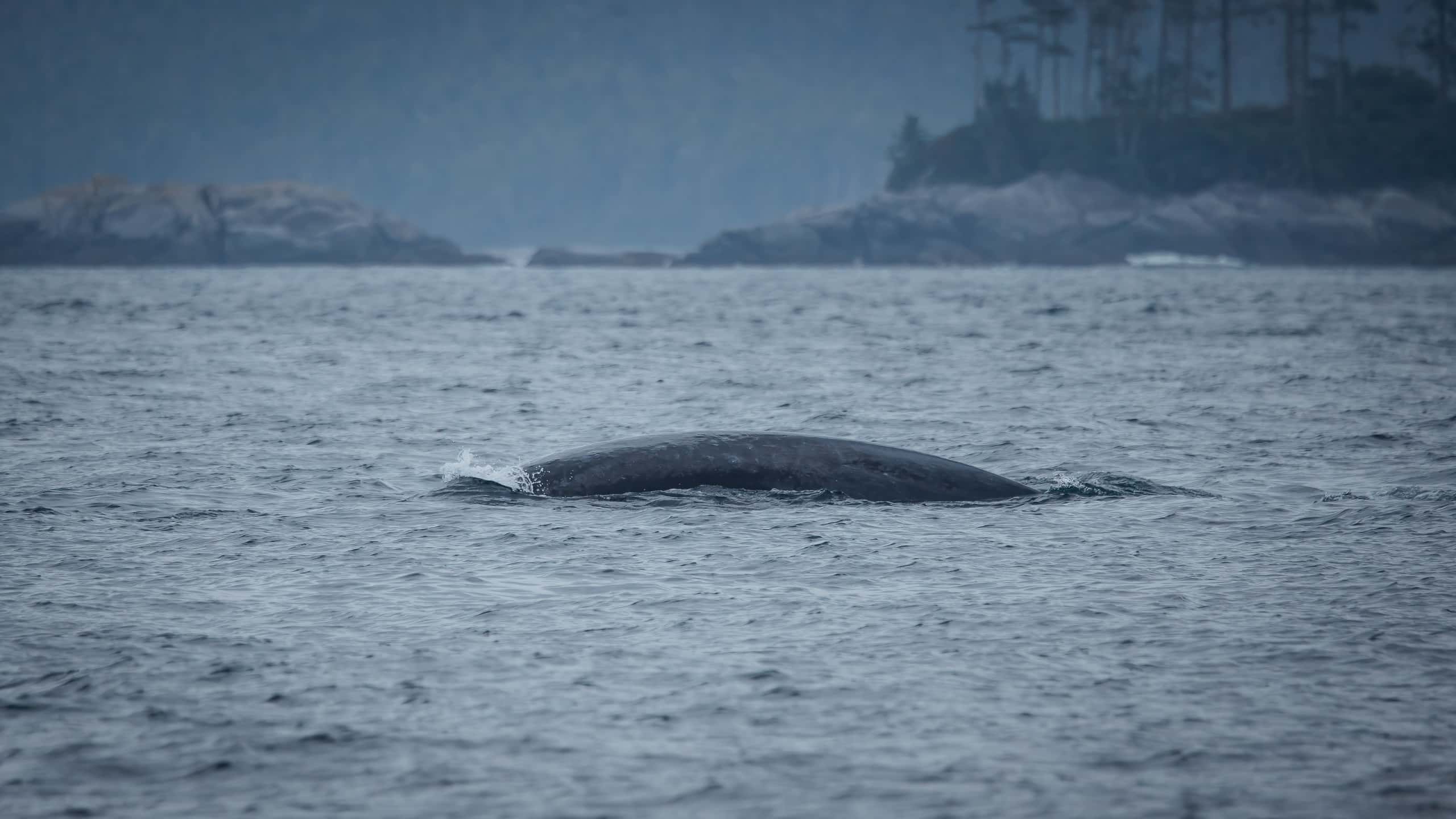
For much of the encounter, the whale travelled slowly at the surface, allowing us to observe several of the features that distinguish North Pacific right whales from other species.
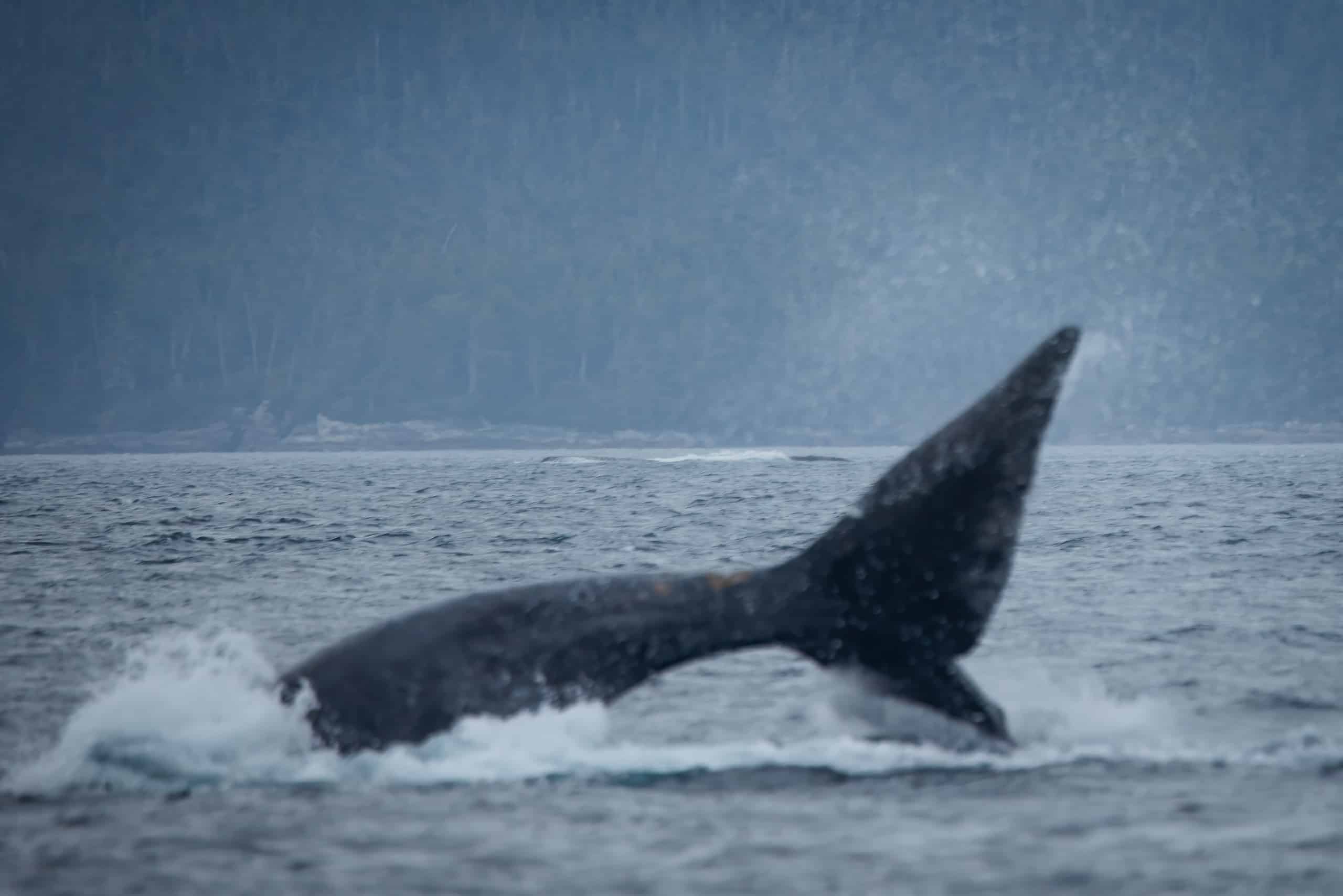
Its broad back, lack of a dorsal fin, and distinctive callosities were visible at different points throughout the sighting. One of the most remarkable behaviours we witnessed was the whale rolling in kelp at the surface. Watching such a rare animal interact with its environment in this way was something few people ever have the opportunity to experience.
What made the encounter even more significant was the apparent age of the whale. According to Bay Cetology, the animal was approximately nine metres long — roughly half the length of a fully grown North Pacific right whale. This suggests it was a young whale, providing encouraging evidence that this critically endangered population continues to reproduce.
Why This Sighting Matters
The eastern North Pacific population is believed to number between 30 and 50 animals, making it one of the rarest large whale populations on Earth. The species can go years at a time without being seen or heard anywhere in the North Pacific Ocean.
The Marine Detective, Jackie Hildering, highlighted just how extraordinary this sighting may be, noting that she believes it represents only the seventh known North Pacific right whale sighting in British Columbia waters between 1951 and June 2026. One of those sightings involved two whales, and individual identifications were only possible for some animals, meaning it is not always known whether previous records involved repeat sightings of the same individual.
The rarity of these encounters is rooted in a devastating history. North Pacific right whales were heavily targeted during the commercial whaling era because they were considered the “right” whale to hunt: slow moving, rich in oil, and likely to float after being killed. The result was catastrophic population decline, and the species has never recovered to historical numbers.
You can read more about North Pacific right whales and documented sightings over the past 75 years on The Marine Detective’s blog post: Knowing Right From Wrong – North Pacific Right Whale
Today, every sighting matters.
Identification photographs, aerial imagery, video, and behavioural observations all contribute valuable information that helps researchers identify individual whales, assess body condition, better understand movements, and support protection efforts under Canada’s Species at Risk Act.
From Tourism to Conservation
This encounter also demonstrates the important role that responsible wildlife tourism can play in marine research and conservation.
The whale was first spotted the previous day by Troy J. Bright of Bere Point Research and was refound on June 15 by Andrew Jones, lead guide and captain, and naturalist Gana Dawson with Coastal Rainforest Safaris. Once the whale was re-sighted, researchers, conservation organizations, and government scientists were able to respond and document the encounter.
Photos taken by our crew were shared with researchers in both Canada and the United States to support broader efforts to identify this individual and better understand its significance to the eastern North Pacific population.
Every day spent on the water creates opportunities to document rare species, contribute observations, and help connect researchers with animals that might otherwise go unnoticed. Encounters like this highlight how responsible tourism operators, researchers, and engaged guests can work together to expand our understanding of marine life on the British Columbia coast.
A Community Effort
This remarkable sighting would not have been possible without the efforts of many individuals and organizations.
We are grateful to Troy and Bere Point Research for the initial sighting, to Bay Cetology for their rapid response and ongoing research, to Fisheries and Oceans Canada for their role in documenting and protecting this species, to Jackie Hildering (The Marine Detective) for helping communicate the significance of this encounter, and to our guests for sharing the moment with patience, excitement, and respect.
The collaboration that followed brought together tourism operators, researchers, government scientists, conservation communicators, and citizen observers — all working toward a better understanding of one of the world’s rarest whales.
Supporting Cetacean Research on the BC Coast
Moments like this are one of the reasons we are proud to partner with Bay Cetology.
On July 11 and 12, 2026, Coastal Rainforest Safaris will once again host a special Bay Cetology Fundraising Trip. This two-day expedition helps support Bay Cetology’s work locating and documenting rarely seen cetaceans off northern Vancouver Island, including sperm whales, beaked whales, fin whales, sei whales, blue whales, pelagic killer whales, and, on the rarest of occasions, North Pacific right whales.
Guests joining these expeditions become part of a meaningful effort to better understand and protect marine life on this coast while experiencing some of the most remarkable wildlife habitat in the North Pacific.
Learn more about the Bay Cetology Fundraising Trip here!
Looking Ahead
We do not know if or when this whale will be seen again.
When Bay Cetology left the animal late on June 15, it was slowly travelling toward the open waters of Queen Charlotte Sound. But the documentation collected during this encounter will remain valuable for years to come.
A huge thank you to everyone involved in this remarkable sighting, and to all those working to better understand and protect whales on this coast.
Credits
Initial sighting: Troy J. Bright, Bere Point Research
Refound by: Andrew Jones and Gana Dawson, Coastal Rainforest Safaris
Photos and field observations: Coastal Rainforest Safaris crew and guests
Research and documentation: Scott Turton on behalf of Bay Cetology; Jared Towers on behalf of DFO under research licence #01
Additional research sharing: Photos taken by Coastal Rainforest Safaris crew were shared with researchers in Canada and the United States
Historical and public education context: Jackie Hildering / The Marine Detective
Territory: ’Nakwaxda’xw First Nation